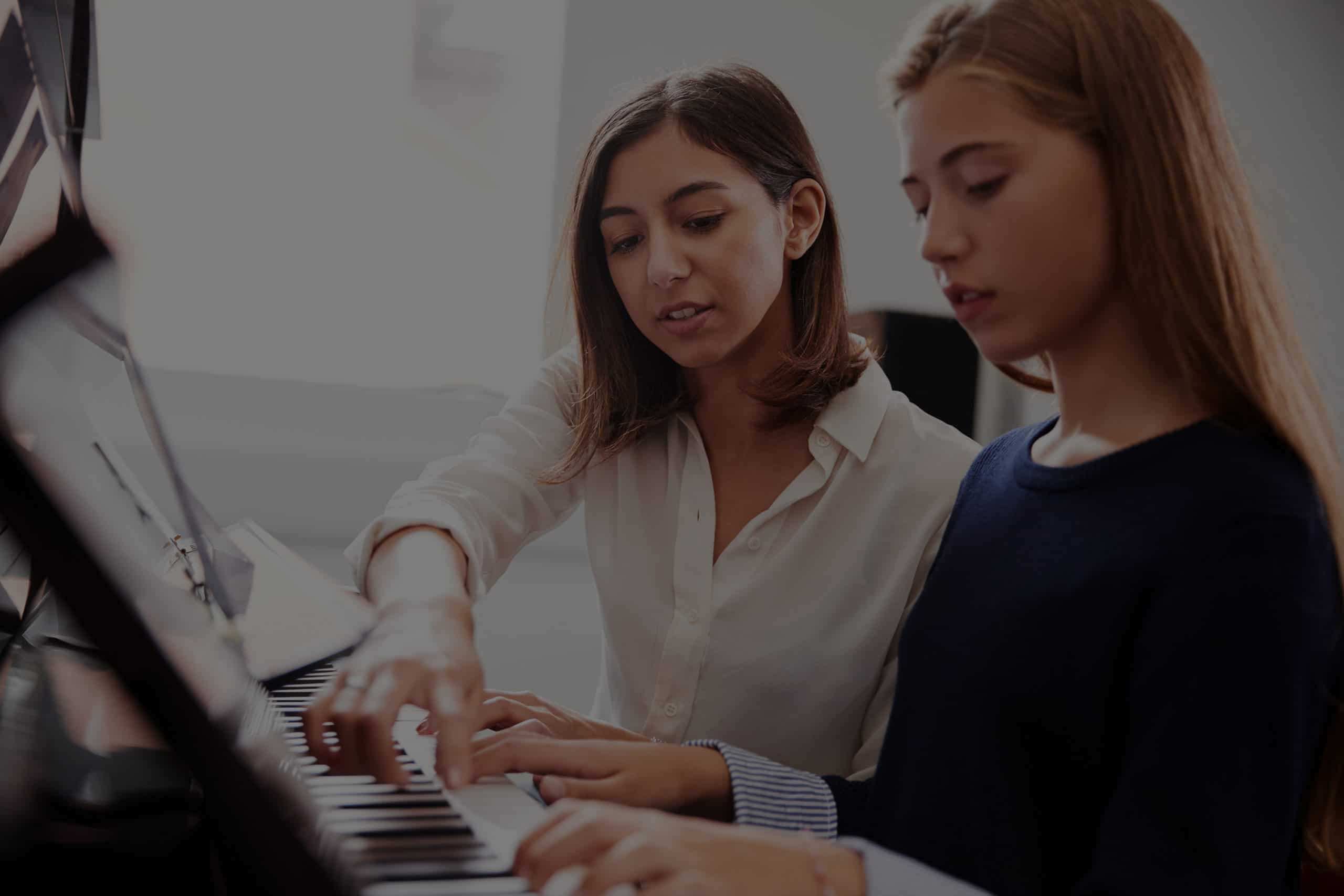
Private Seattle Drums Lessons Near You In Your Home
Seattle’s Best Drum Teachers near you – In-Person or Virtual Lessons

Seattle Drum Lessons In The Comfort Of Your Home
- Skip the commute to a music school. Our Seattle drum teachers come to you, virtually or in person, making it easy to fit drum lessons into your life.
- Lessons available 9 AM - 9 PM, seven days a week
- Top-quality teachers who make learning engaging and fun
- Lessons for all ages and skill levels
- 30-60 minute sessions
- Complimentary student recitals for performance practice
You know it’s time to get the children started with in-home private music lessons. Maybe the lessons are for you, how about the whole family? You’re smart enough to know that music lessons are important but what about finding a teacher? Do you call a music store? Will their teacher be right for you? Then there’s the getting there; the traffic, hauling the kids back and forth, what about dinner? Yeah – Right! Like that’s going to happen. You don’t need lessons with just any ol’ teacher, especially a task master, intimidating, practice demanding monster that bores students. What you’re looking for is an engaged, fun, well-educated, motivational, big smiling and super excited personality that loves teaching Music. A teacher who makes lessons fun. You already know what you need. You need Lessons in Your Home-the music teachers who come to your home or school to teach fun, private music lessons. Their teachers constantly think of great ways to motivate every student. They turn students into dazzling musicians ready to break out a song and share their talents with the world. Now you’re saying “Hey, this could work” Lessons in your Home teaches piano, Drums, voice, violin, in fact they teach every music instrument you could think of. Getting started is as easy as 1,2,3.
- Give Lessons in your home a call or email
- They’ll ask important questions about each student ensuring a teacher that’s best for you
- Schedule and start your lessons. What are you waiting for? Start Lessons now with Lessons in Your Home!
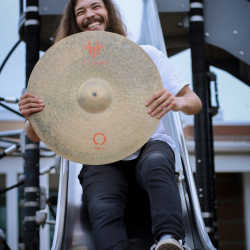
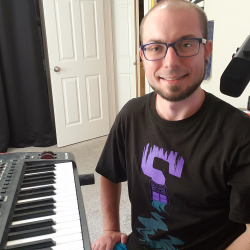
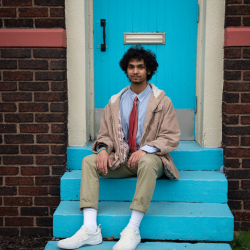
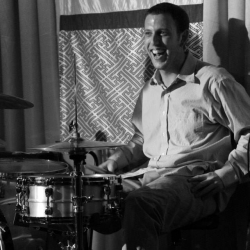
Meet Our Top Drum Teachers in Seattle
At Lessons In Your Home, we bring expert drum instruction directly to families across Seattle. Our drum teachers work with students of all ages and levels, shaping each lesson to fit their pace, personality, and musical goals. From learning a first simple rhythm to mastering advanced patterns, our focus is on helping every student enjoy the process and grow as a musician. Every teacher on our staff completes a careful interview, training process, and background check. With our teachers’ guidance, drum lessons in Seattle become a fun and natural part of home life.



How Our Seattle Drum Lessons Work
1

2
3

Learn and Enjoy Playing the Drums in Seattle
Drum lessons in Seattle meet students right where they are. Beginners learn core rhythms and coordination, while more experienced drummers explore creativity, style, and technique. Lessons stay music-centered, hands-on, and easy to enjoy, no matter the student’s age.
Drum Lessons for Kids in Seattle
- Learn stick positions, steady beats, and simple patterns
- Explore drumming through favorite songs
- Build confidence through small, motivating goals
Drum Lessons for Teens in Seattle
- Try different styles like rock, pop, and jazz
- Strengthen timing, reading skills, and technique
- Prepare for school bands, auditions, or personal projects
Drum Lessons for Adults in Seattle
- Learn at a pace that fits your schedule
- Enjoy drumming as a creative outlet
- Grow skills you may have always wanted to try
Why Take Drum Lessons in Seattle?
Drums invite students of all ages to explore rhythm in a hands-on, exciting way. Many learners feel drawn to drums long before they ever sit at a kit, and lessons give that natural interest a place to grow. Our drum lessons in Seattle focus on steady progress, curiosity, and a supportive learning pace.
With a caring teacher guiding each session, students learn how to keep time, play familiar songs, and express themselves through music. Every new rhythm builds confidence, and those small steps help students feel proud of what they can do. Drum lessons become a fun part of the week and an encouraging space to grow.
Drum Lessons Tailored for Kids
Drum lessons for kids are designed to be upbeat and hands-on from the start. We keep learning simple, engaging, and easy to follow, so students stay excited about coming back each week.
What families can expect:
- Lessons shaped around a child’s interests and pace
- A friendly introduction to rhythm, patterns, and coordination
- Quick wins that help students feel capable and motivated
Kids enjoy drumming because they hear and feel their progress right away. This early momentum builds steady confidence and creates a foundation they can keep strengthening over time.
Why Families Choose Lessons In Your Home for Drum Lessons in Seattle
Families choose Lessons In Your Home because our approach centers on care, consistency, and convenience. Every drum teacher on our staff is trained, background-checked, and supported by local directors, so families know their child is learning with someone dependable.
We schedule drum lessons where students feel most comfortable. That may be at home, at school, or online. This flexibility helps drum lessons in Seattle blend smoothly into busy routines. Parents enjoy seeing steady progress without having to manage extra driving or complicated planning.
Skills Students Learn in Drum Lessons
Drum lessons guide students through a mix of technique, creativity, and steady skill building. Each learner moves at a pace that feels comfortable and rewarding.
Students in our drum lessons will learn how to:
- Hold drumsticks with control
- Keep a steady beat
- Play basic rhythms, fills, and grooves
- Read drum notation or learn by ear
- Perform full songs with confidence
- Strengthen coordination and listening skills
These skills grow week by week and help students enjoy the feeling of real musical progress.
Read more: 5 Things You Can Learn from Basic Drum Lessons
Getting Started with Drum Lessons at Home
Starting drum lessons in Seattle is simple. Students do not need a full drum kit right away. Many families begin with a few basic tools while their child learns core rhythms and techniques.
Helpful items for the first lessons:
- A practice pad and drumsticks
- A small music stand (optional)
- A comfortable space at home
- An open, curious attitude
Your teacher will bring materials to guide the first sessions and help you choose equipment when the time is right. From the first beat, students experience the excitement of making music and soon begin playing simple songs they enjoy.
Where We Offer Drum Lessons in Seattle
Our drum instructors in the Seattle area offer in-home lessons that fit your schedule and save you the hassle of extra driving across the city.
We currently serve families across:
|
|
|
Not sure if we serve your location? Contact us and we’ll be happy to check!
Find Seattle Drum Teachers Near You
Start Drum Lessons in Seattle Today!
If your child loves tapping out rhythms or you have always wanted to learn drums yourself, this is a great time to get started. Drum lessons in Seattle bring music into your home in a way that feels relaxed and enjoyable. With in-home, at-school, or online options, lessons blend easily into your weekly routine without adding extra pressure.
Reach out today to schedule your first lesson and see how drumming can bring energy, confidence, and creativity into your home.
Frequently Asked Questions About Drum Lessons Seattle
Lessons In Your Home has been a leader in providing private music instruction since 1997. We offer participating schools classes during the day, or after-school programs. Download our Music In Your Schools Brochure for more information.
Lessons can be scheduled anytime between 9 am and 9pm, 7 days a week. Our instructors know that life can be busy, especially with children’s activities, and your availability will always be a priority.
It’s never too early to indulge your child’s interest in playing the drums. You can foster your child’s interest in drums and musicality early on by showing them music, tapping out beats, and having them play with toy drum sets. A great age for learning and retaining skills from drum lessons is around seven and nine years old, but they can start as early as five so the fundamentals can be learned. During these certain ages, a child has greater control over their physical strength and coordination. Learning the drums requires controlled arm movements and learning how to use your arms and legs independently of one another.
Older children and teens typically enjoy learning new skills and activities, though this is also an age when they may lose interest quickly. Drum lessons with a person who cares helps counteract that loss of interest by making the learning process fun and engaging. You’re also never too old to learn how to play the drums and enjoy learning a new hobby. Adults interested in drum lessons will fully appreciate the time and dedication needed to learn a new skill.
Learning how to play the drums or any musical instrument can be a lifelong skill you continue to develop and perfect. That said, within your first 6 months with Lessons In Your Home, you can expect to start playing some songs and have a decent grasp of music theory and using proper technique. One year and three years are other milestones which will setup how you choose to pursue the art of drumming, and our instructors can help your child through these decisions.
When you are just starting out, you might want to rent your drum instead of buying one. Beginner drummers will want to weigh the financial responsibility of purchasing and maintaining a drum kit. Drum kits are not exactly cheap, so you want to make sure you are invested in learning this new skill before diving in too deep financially. However, once you become more invested in your drum lessons, you may find that owning your own drum kit pays off in the long run. Skilled drummers will definitely appreciate owning their own drum kit, especially when they get comfortable with the size and type of drums they prefer. Many drum kit rental services will provide beginners and advanced drummers alike with high-quality drum kits. You can also look into rent-to-own options where the drum kit automatically becomes yours after a preset lease term. You can also learn a lot about what type of drum kit you do or don’t want to purchase when you rent a set for a short period of time with fewer financial obligations.
Also, electronic drum kits are a great alternative and may or may not be cheaper than a standard kit. If you’re able to put in some time and effort, you might be able to snag a drum kit for a great price on Facebook Marketplace or Craigslist.
When you just start out learning how to play the drums, it’s really about daily consistency versus cramming in an hour or two once a week. That said, you may want to work yourself up to practicing about 30 minutes a day. Your hands, wrists, and arms may become more fatigued faster when you first start learning how to play. As you build up strength and coordination, you will find that it becomes easier to run through your drum exercises for longer periods of time.
The more you practice drum basics, the more confident you will feel when moving on to more advanced skills and challenges. An advanced drummer should plan to practice for at least an hour each day. Plan to move through your drum basics, even once you have mastered them, to ensure you maintain a solid foundation of skills. These basics will help inform your skill and technique as you practice more challenging skills. A combination of drum lessons and playing on a practice pad can help set you up for success as a drummer.
You don’t need to know how to read music to play the drums, but you might find it helpful! Many famous drummers don’t know how to read music but are still incredibly adept and successful. Some drummers learn how to play by listening and feeling the beats and rhythms. Other drummers may find that learning how to read music helps them better communicate with bandmates and other musicians. The music you want to play and the goals you have will impact the decision of whether or not you’ll need to learn to read music.
While it is possible to become a drummer without knowing how to read music, it can take more time and practice to do so. A combination of playing by ear and learning to read music can set you up for success, whether you plan to learn the drums for fun or hope to apply it professionally. Learning how to read music may also open more doors for you if you want to play professionally, because some gigs may require you to read sheet music.
With so many options out there for a drum set, how do you know which to choose? As a beginner, you might quickly burn through your drum pad and want to level up to the full drum set. You can find beginner drum sets that come with everything you need to get started: a snare drum, bass drum, cymbals, toms, and hardware. The key to remember is to focus on the quality of the drum set or drum pad. It can be frustrating to learn on mediocre-quality instruments. If you have to sacrifice quality, focus first on getting a really great drum pad to learn on.
If you’re ready to invest more time and energy into learning how to drum, then you may want to invest in a drum set you will be excited to play. If you are looking for a beginner drum set for your kid, you may want to look into junior-size options so your child can sit comfortably and reach all parts of the kit. Your drum teacher, after discussing your goals, can always lead you in the right direction.
Learning how to play the drums can certainly become a loud endeavor. If your child or loved one is learning how to play the drums, then you might be wondering if there are ways to make drums a bit quieter. When soundproofing or acoustic panels don’t do enough to absorb the sounds, you might try an electronic drum kit to avoid upsetting family members, housemates, and neighbors. Playing an electronic drum kit can feel a lot like working on a regular kit but without all the noise.
Check out low-volume options for cymbals, like rubber cymbals or ones with little holes that help reduce the overall sound. Add mesh drum heads to your drum set to help reduce the volume, or consider changing out your sticks for brushes or hotrods. You can also muffle or dampen your bass drum with something to help soak up the sound. And, of course, check out rubber practice pads that dampen the sound and offer a portable way to practice when you’re away from your drum kit.
- Accordion
- Band Orchestra
- Banjo
- Baritone
- Bass
- Bass Guitar
- Bassoon
- Brass
- Cello
- Chorus
- Clarinet
- Composition
- Drums
- Euphonium
- Fiddle
- Flute
- French Horn
- Guitar
- Harmonica
- Horns
- Little Music Makers
- Mandolin
- Mellophone
- Music Education
- Music In Your School Specialist
- Music Production
- Music Theory
- Music Therapy
- Oboe
- Organ
- Percussion
- Piano
- Recorder
- Saxophone
- Singing
- Strings
- Trombone
- Trumpet
- Tuba
- Ukulele
- Viola
- Violin
- Voice
- Woodwinds