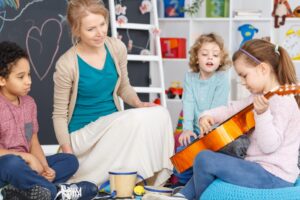
Many parents go into a child’s first music lesson wondering how it will actually go. Will their child feel comfortable with the teacher? Will the lesson feel easy to follow? Will they come away excited to keep going? Those questions are a normal part of getting started, especially when music lessons are new for the whole family.
A good first lesson helps everyone settle in. The teacher gets to know the child, introduces the instrument in a simple way, and creates a warm tone from the start. By the end of the lesson, most children have played something small, learned a few basics, and have a clearer sense of what this new routine will feel like.
For families comparing lesson formats, including online vs in-person music lessons, the heart of the experience is still the same. Children do best when the teaching feels personal, the guidance feels clear, and the lesson begins in a way that helps music feel comfortable in everyday life.
A Warm Introduction Helps the Lesson Begin Well
The first few minutes of a lesson often shape how the rest of it feels. A teacher will usually begin with a friendly introduction and a little conversation so the child has time to settle in. That may include asking about favorite songs, past experiences, or what the student is excited to try.
This part of the lesson gives the teacher a chance to begin to understand the child as a person. Some children are ready to jump in right away, while others like a little more time to get comfortable and look around. When the teacher pays attention to that rhythm, the lesson starts to feel easier for the child and more reassuring for the parent.
A warm beginning also helps music feel more natural in the home. The lesson is no longer only about learning notes or posture. It becomes a relationship taking shape, and that often gives children a stronger sense of comfort as they begin.
Getting to Know the Instrument
Once the lesson is underway, the teacher will usually help the student get familiar with the instrument itself. This part of the lesson helps children feel more grounded because the instrument starts to feel easier to understand and more comfortable to approach.
For example:
- A piano student may begin by noticing the pattern of the keys and hearing how sound is made.
- A violin student may learn the names of the strings and how to hold the instrument with care.
- A drum student may get to know the different parts of the set and listen to how each one sounds.
A few simple explanations can do a lot during a first lesson. Children often feel more included when they understand what they are looking at and what the instrument is asking of them. There is usually a nice sense of discovery here, too, since the child is beginning to move from simply seeing the instrument to actually knowing it in a small but meaningful way.
Learning How to Sit, Hold, and Play
A first lesson usually includes some guidance on how to approach the instrument physically. Depending on what the child is learning, this may include how to sit at the piano bench, how to shape the hands, how to hold a violin bow, or how to hold a drumstick in a way that feels comfortable and controlled.
These basics give children a helpful starting point. They begin to understand how their body and the instrument work together, which can make playing feel smoother and more natural from the beginning. A good teacher introduces these ideas in a clear, calm way so the child can take them in without feeling overloaded.
Most Children Will Make Music Right Away
One of the most exciting parts of a first lesson is that children often get to make music right away. It might be a few notes, a short rhythm, or the start of a simple melody. Even a small musical moment can help the lesson feel approachable and positive.
A child does not need to do a lot in the first lesson to leave feeling proud. Sometimes, a very small win is exactly what helps the experience feel encouraging and gives the next lesson something happy to build on.
The Lesson Should End With a Clear Direction
As the lesson wraps up, the teacher should explain what the child needs to practice before the next lesson. For beginners, this should be simple and specific. A short assignment helps the child remember what to do and gives parents an easy way to support practice at home.
Most children do better when practice feels manageable. Short, steady practice is easier to keep up with, especially in the beginning. Clear assignments also help families know what the week should look like.
What Parents May Notice After the Lesson
After a first lesson, many parents naturally pay attention to how their child seems to feel. Some children want to talk right away about what they played or what they liked. Others hold onto the experience quietly and come back to it later. Both responses can still be part of a very good start.
What parents often notice is something simple:
- Their child seemed comfortable with the teacher
- They were pleased about something small they learned
- They seemed curious about what would happen next time
These early signs can say a lot. They often show that the lesson is beginning to feel familiar, encouraging, and worth returning to.
A first lesson does not need to feel big to feel successful. When a child leaves with a little comfort, a little confidence, and a reason to look forward to the next lesson, the beginning is doing exactly what it should.
Why the First Lesson Matters Over Time
The first lesson gives the teacher a first look at how your child learns. Some students want every step explained before they try. Some need to touch the keys, some are chatty right away. Others need a few lessons before they relax.
A good teacher notices those things early. The first lesson is not only about starting the instrument. It helps the teacher understand what kind of pace, language, structure, and encouragement your child may need. A lesson plan matters, but the child in front of the teacher matters more.
Parents get a clearer picture, too. You see how your child responds to the teacher, how the teacher explains practice, and how the lesson fits into a normal week at home. That first experience gives everyone a starting place.
What the Right Teacher Brings to the First Lesson
A strong first lesson depends on the teacher in the room, and the match starts before anyone sits down at the instrument. Children respond best when the teacher fits the student, not only the schedule. Good matching considers personality, goals, learning style, and the kind of support the family needs at home.
Lessons In Your Home brings a few qualities together early:
- Careful teacher matching with attention to personality, goals, and family rhythm
- A trained, vetted teaching staff that works as part of a real team
- Personal lessons at home that fit more naturally into the family’s week
- Clear guidance for parents so practice and next steps are easier to follow
Strong support from the beginning helps the first lesson feel organized and comfortable. The child meets a teacher prepared to guide them well, and parents get a clearer sense of how music lessons can work in everyday life.
Give Your Child a Strong Start in Music With Lessons In Your Home
Starting music lessons can feel like a big step, especially when you are not sure how your child will respond. You do not have to have everything figured out before the first lesson. A good teacher will help your child begin at a comfortable pace and help you understand what comes next.
If your child is curious about music, a first lesson is a simple place to start. No pressure to know the perfect instrument, the perfect schedule, or the perfect plan right away.
When your family is ready, reach out to us or find a teacher near you.
What Parents Often Ask About a First Music Lesson
What should my child bring to a first music lesson?
For most first lessons, your child simply needs the instrument and any materials you were asked to have ready ahead of time. If you are still getting set up, that is usually fine too, since many first lessons are also about helping the family understand what will be needed going forward.
Do parents stay during a child’s first music lesson?
Many families stay nearby during the first lesson, especially with younger children. The best setup often depends on your child’s age, comfort level, and how the teacher is building a connection in those first few minutes.
How do I know if my child is ready for music lessons?
Readiness usually shows up in simple ways, such as curiosity about an instrument, excitement about songs, or an interest in trying something new with a teacher’s help. A first lesson can be a very helpful way to see how your child responds when the experience feels personal, calm, and easy to step into.
Can I choose my child’s music teacher?
Yes. Lessons In Your Home says families can request a teacher they already know or ask for a recommendation based on their child’s goals, schedule, and personality. That kind of matching can make the beginning feel more comfortable and more personal for everyone involved.
Does Lessons In Your Home offer a trial lesson?
Yes, though it is handled as a paid first step rather than a free drop-in. Families sign up first, and after the first lesson, they can decide whether to continue; if they do not, they are charged only for that first lesson, and the rest is refunded.
What if the teacher does not feel like the right fit after the first lesson?
Lessons In Your Home encourages families to speak up if the fit does not feel right. The company notes that it can take time to find the right match and that they want families to feel comfortable, which is an important part of helping lessons grow in a steady way.