How to Start Music Lessons for Your Child
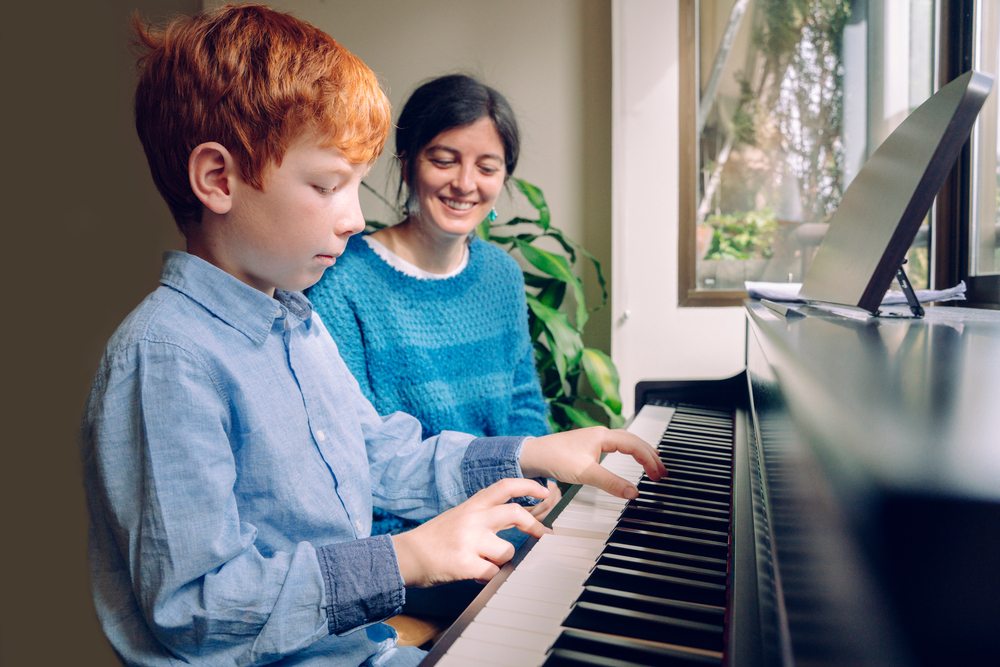
Somewhere between “Can I learn drums?” and an actual first lesson, most parents hit the same wall: where do you start? The path is simpler than it looks. Starting music lessons comes down to five steps: notice when your child is ready, choose an instrument together, pick a lesson format that fits your family, find a teacher who genuinely fits your child, and keep the first months small and encouraging. Lessons In Your Home has walked families through each of those steps since 1997, and because we handle the matching, the scheduling, and the readiness questions ourselves, no parent has to arrive already knowing how music lessons work. Everything you need is covered below.
Getting Started With Music Lessons
Why Enroll Your Child in Music Lessons & What To Consider
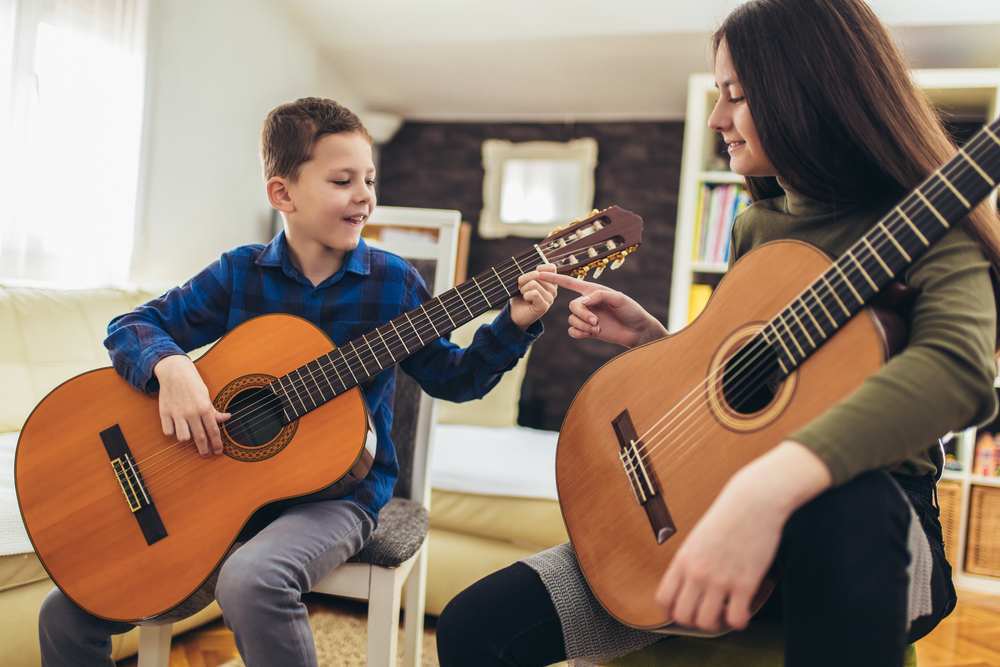
The reasons families start lessons, what to weigh before committing, and how to tell your child is ready.
Read GuideHow Much Do Music Lessons Cost?
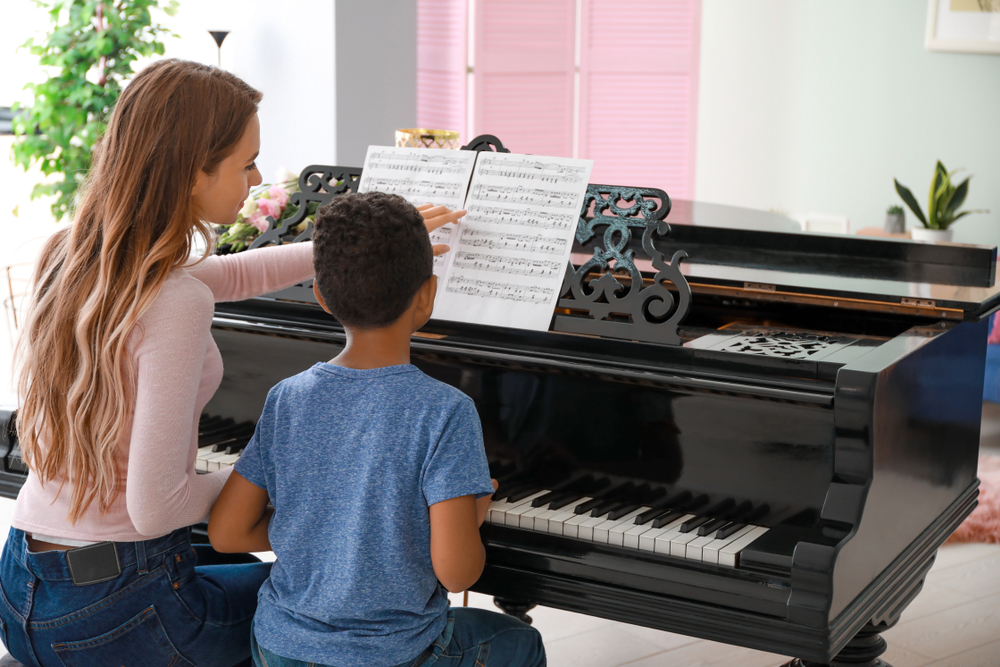
What shapes lesson pricing, what families can expect to pay, and how to compare formats fairly.
Read GuideHow To Choose A Musical Instrument For Your Child
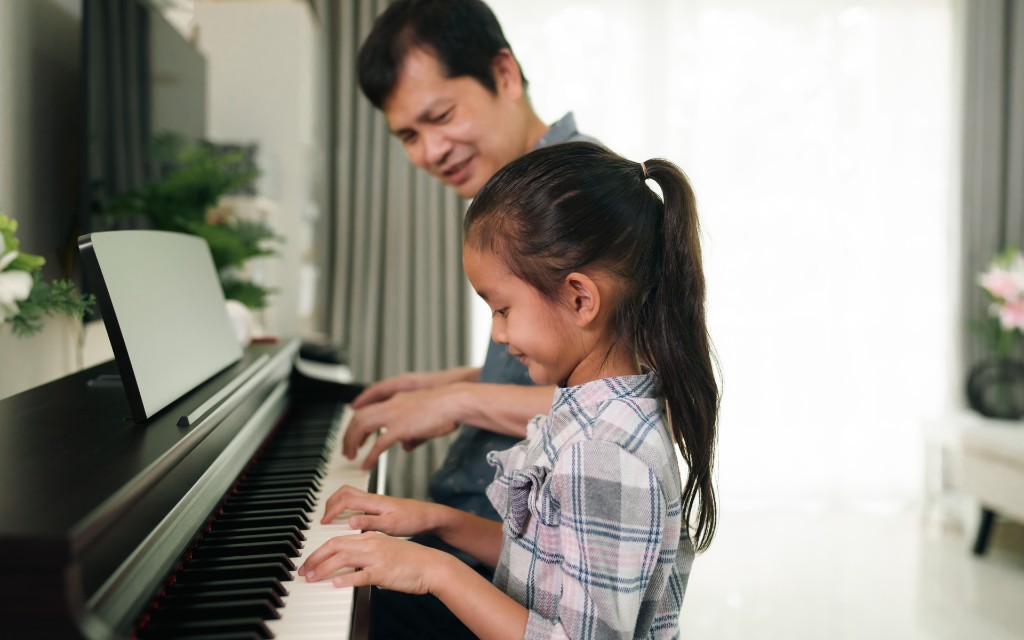
A teacher’s-eye process for helping your child land on an instrument they will want to keep playing.
Read GuideWhat Makes Great Music Lessons for Kids
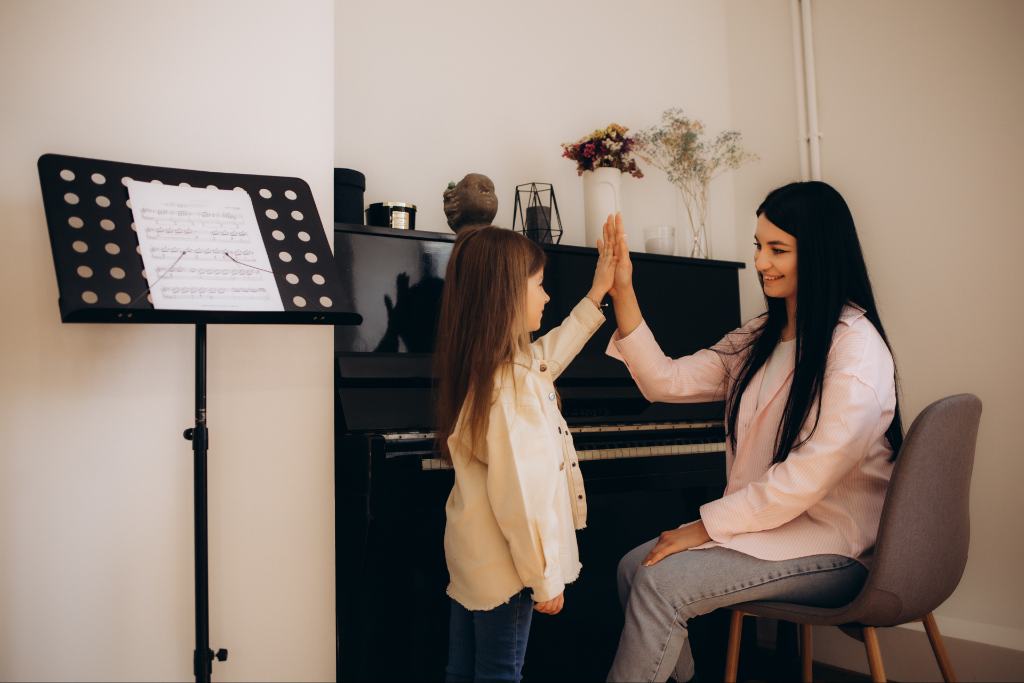
The teaching philosophy behind every lesson we give, and why the teacher relationship drives progress.
Read GuideHow To Find The Best Music Teacher
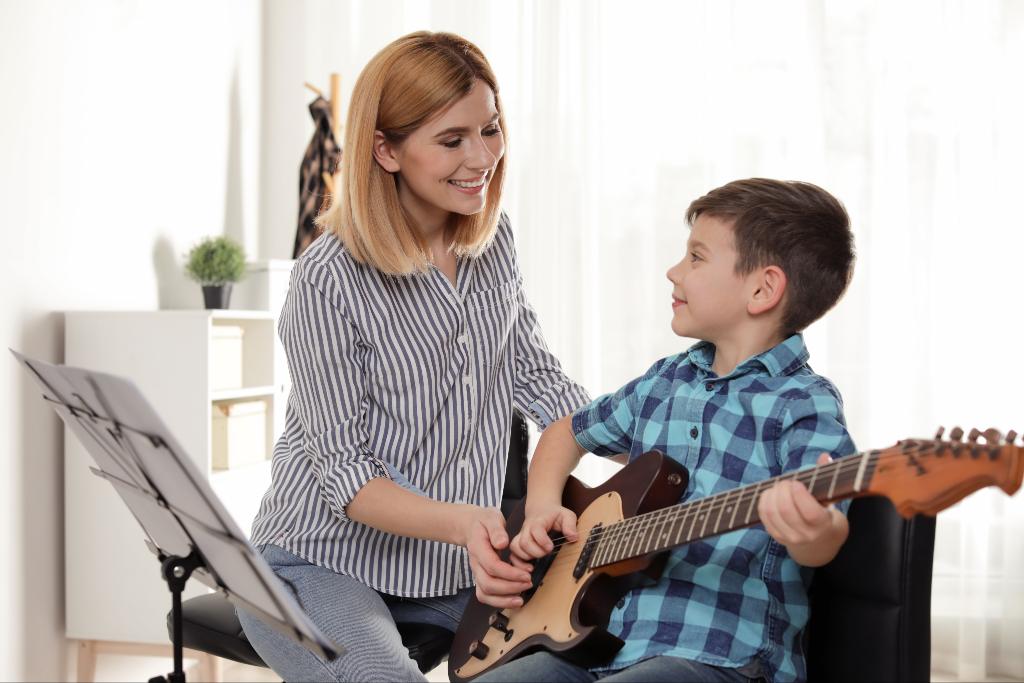
Where to look for a music teacher, what to ask, and what separates a decent teacher from a great fit.
Read GuideWhat to Expect at Your Child’s First Lesson
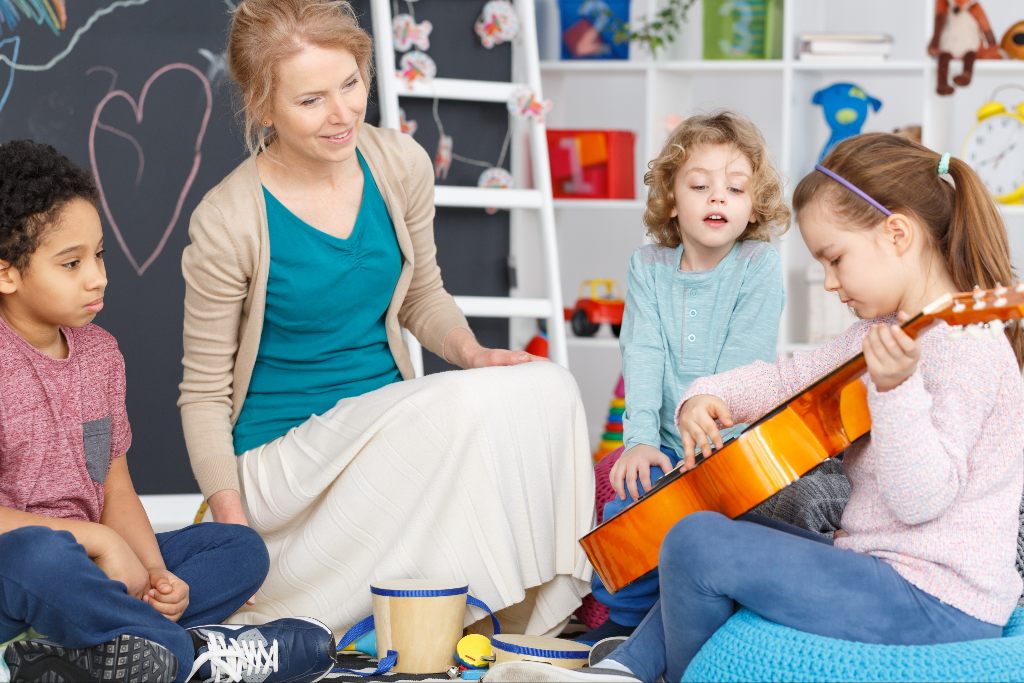
What the first hour looks like, what to have ready, and how teachers put brand-new beginners at ease.
Read GuideBenefits of Music Education for Children

How children grow through lessons and play, and what music gives them over the long run.
Read GuideHow to Keep Kids Motivated in Music
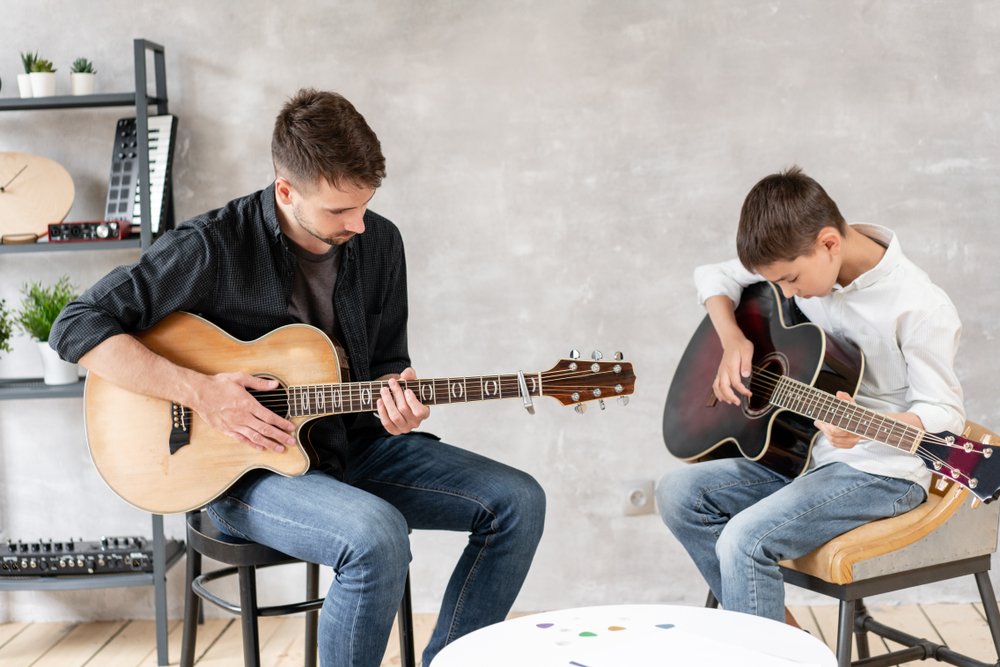
What keeps kids practicing after the novelty fades, and how to help without turning music into a chore.
Read GuideHow to Keep Kids Motivated in Music
What keeps kids practicing after the novelty fades, and how to help without turning music into a chore.
Read GuideWhen Is a Child Ready to Start Music Lessons
Most children are ready for private music lessons somewhere between ages 4 and 7, though readiness has less to do with the birthday than with what you can already see at home. A child who can count to five, focus on one activity for 15 or 20 minutes, and follow two-step directions has what a weekly lesson asks for, and a child who sings in the car, taps rhythms on the table, or stops to watch a street performer is already telling you the interest is there.
The instrument shapes the timeline as much as the child does, because each one makes its own physical demands:
- Violin comes in fractional sizes, so children as young as 4 can begin when they show readiness, and most begin violin between 4 and 7 with a teacher experienced in young beginners.
- Piano tends to settle into structured lessons between ages 6 and 9, once fingers can reach five keys comfortably and a child can sit with a 30-minute lesson.
- Guitar usually works around age 8, when hands can manage the neck, though smaller guitars and ukulele open the door earlier.
- Drums reward rhythm games as early as 4, with structured drum lessons hitting their stride between 6 and 9 as motor skills and attention mature.
- Voice often benefits from patience, since young vocal cords are still developing, which is why many young singers build fundamentals on piano first before starting formal vocal technique.
- Band, brass, and woodwind instruments generally wait until 9 or 10, when lung capacity and physical size catch up to the instrument.
None of these ranges is a deadline. A child who begins at 8 because the interest arrived at 8 tends to progress faster and complain less than one who started at 5 to satisfy a schedule, and younger starts work well too when the lesson is built for the child; our piano lessons for 5-year-olds, for example, run on shorter activities and plenty of play. Readiness is also part of our first conversation with every family, so if a teacher believes your child would get more out of lessons in six months, we will say so honestly rather than sign you up anyway.
How to Choose an Instrument Together
The best first instrument is the one your child will pick up again on a Tuesday when nobody is watching, which makes their own excitement the most reliable guide you have. Start with what draws them: ask which instruments they notice in songs they love, play them recordings, and let them put their hands on a keyboard or a ukulele at a music store if you can.
From there, fit does the rest of the work. Personality plays a part, since a child who loves performing may light up behind a drum kit while a quieter kid settles happily into piano or guitar. Physical fit matters most at the younger ages, which is why strings come in fractional sizes and why small hands often start on piano or ukulele before moving to guitar. Your home gets a vote too, because a digital keyboard with headphones keeps peace in an apartment, and an electric kit turns drums into a fair instrument for the whole household. When the shortlist is down to two or three, our guide to exploring instruments beyond piano and guitar walks through what each one suits.
Nothing about the choice is permanent. Our teachers cover multiple instruments like piano, guitar, voice, violin, drums, and dozens of other instruments, and because we already know your child by the time a switch comes up, moving from one instrument to another is a conversation rather than a restart.
Picking a Lesson Format That Fits Your Family
In-home, online, and school-based lessons all teach the same fundamentals, so choosing between at-home, studio, and online lessons mostly comes down to what each format asks of your week and what it gives your child in return.
With in-home music lessons, the teacher comes to you, and your child learns on their own instrument, in their own space, at a consistent weekly time. The commute, the waiting room, and the sibling logistics disappear, and something quieter happens as well: lessons in a child’s own environment give the teacher a fuller picture of how that child learns. Music becomes part of the home instead of another stop on the errand loop.
Online lessons put the same matched teachers on a live video call, which works well for families with tight or unpredictable schedules, for students outside a teacher’s travel area, and as a backup that keeps the weekly rhythm going through travel and sick days. A device, a decent connection, and an instrument at home are all a student needs.
School-based lessons are the third format we teach. Music lessons at your child’s school happen during or right after the school day, which spares your evenings entirely and works well for families whose afternoons are already spoken for. Independent studios suit some families too, especially when a child spends time near one anyway. The honest test for any format is consistency, because the best one is whichever your family can sustain every week without strain.
Finding a Teacher Who Fits Your Child
A great first teacher gets a child excited about the instrument and comfortable making mistakes in front of another person, and skill on the instrument is only the baseline for that. The qualities worth looking for are patience, real experience with your child’s age group, lesson plans that give each week a purpose, and the kind of attention that notices when a student walks in tired, proud, or quietly discouraged. Our teachers are trained to read those moments and shape the lesson around them, because a child who feels seen works harder than a child who is merely instructed.
Matching is the part we take most seriously at Lessons In Your Home. Before pairing anyone, we learn about your child: age, experience, goals, personality, and the days and times your family is available. We then match from our own staff of background-checked, professionally trained teachers rather than handing you a directory to sort through, and we schedule the first month once the fit looks right. Your teacher arrives at the first lesson already knowing who your child is and what they hope to do.
Every match comes with our First Lesson Guarantee. If the first lesson is not a fit, we pair your child with a teacher who suits them better, or you can cancel and pay nothing.
What Happens at the First Lesson and What to Bring
A first lesson runs 30 to 60 minutes and is mostly about connection, because the teacher’s first job is learning how your child thinks, plays, and responds. Along the way they will check posture and hand position, make first sounds on the instrument, and usually send your child off with one small, winnable assignment. No experience is expected, since first lessons are planned for total beginners.
Preparing takes about ten minutes:
- The instrument, ready to play. A tuned guitar or violin, or a piano or keyboard with the bench at a comfortable height. If you have not bought one yet, say so when you book, because our teachers routinely advise families on rentals and starter instruments before any money is spent.
- A reasonably quiet room. A living room or den works fine. Lessons need a space where the TV is off and the dog has somewhere else to be, not silence or a dedicated studio.
- A notebook. Teachers write down assignments and practice notes each week, and the notebook becomes a running record your child can look back on with some pride.
- Method books, if you have them. If not, the teacher brings materials or recommends the right book for your child’s age and level after meeting them.
Parents are welcome nearby, and with young children we encourage it, since sitting in on early lessons helps you support practice during the week. For the scheduling and policy questions that tend to come up in the first month, our FAQ page covers the details.
What Progress Looks Like in the First Months
Beginner progress is small on purpose, which is easy to forget when you are hoping for a recital piece by Thanksgiving. The first few weeks cover setup, posture, and first sounds, and by the second or third month most beginners are playing short pieces and starting to read simple notation. The pace varies from child to child, and our teachers plan each week’s lesson around the student in front of them rather than a chart, because a strong lesson meets a child where they are that day.
Some of the clearest progress never touches the sheet music. A child who drags you to the piano to show you a song, or who works through a tricky measure without being asked, is progressing in the way that keeps kids playing for years, and confidence, consistency, and enjoyment usually arrive before technical polish does. When the first pieces are ready, playing them for family or at a first recital gives all that practice somewhere to go.
Practice expectations should stay small too. For most beginners, 10 to 15 focused minutes on most days beats one long weekend session, and a few small wins per week keep the whole thing feeling possible. When a week falls apart, and some weeks will, the lesson itself keeps the thread going, and no one at Lessons In Your Home treats a missed practice week as a failure.
Fitting Music Lessons Into a Busy Family Schedule
A weekly 30-minute lesson takes less of your week than most children’s activities once travel is out of the picture. A consistent day and time turns lessons into a habit the whole family plans around, the way soccer practice or swim class already works, and a teacher who comes to your home hands you back the drive time, the parking, and the waiting-room hour with a sibling in tow.
Families juggle seasons too, and lessons can flex with them. Online weeks cover travel and illness, summer keeps momentum going without the school-year crunch, and lesson lengths grow as attention spans do. We teach in multiple cities across the country: Atlanta, Baltimore, Dallas, Denver, Houston, Kansas City, Miami/South Florida, Orlando, Seattle, and Washington, DC, and in every one of them the goal is the same: make lessons the easiest part of the week to keep.
Starting music lessons well is mostly a matter of matching. A child who feels known by their teacher tries harder, practices more honestly, and stays with music longer, because the relationship between teacher and student is the engine of progress. We have built our whole approach around it since 1997. Tell us a little about your child, and Lessons In Your Home will match them with a teacher who fits their instrument, personality, and schedule, at home or online.
Frequently Asked Questions About Starting Music Lessons
What should my child bring to their first music lesson?
An accessible, tuned instrument, a notebook for assignments, and any method books you already own. The teacher brings or recommends everything else after meeting your child. For piano students, having the bench adjusted so forearms sit level with the keys is the one setup detail worth handling in advance.
Do we need to own an instrument before lessons start?
No. A basic keyboard is fine for starting piano, string instruments rent affordably in child sizes, and many families wait until after the first lesson so the teacher can recommend the right starter instrument. Renting first also protects you if your child ends up switching instruments.
How long does it take to see progress in music lessons?
Most beginners play simple songs within the first few weeks and read basic notation within a few months. Steadier milestones, like playing a piece confidently for family, tend to arrive over the first year. Consistent short practice moves a student along faster than longer lessons do.
What age should a child start music lessons?
Most children do well starting between 4 and 7 depending on the instrument, with strings among the earliest and band instruments closer to 9 or 10. For the youngest beginners, music lessons for 4-year-olds run shorter and lean on play by design. Older starters are never behind, since a motivated 10-year-old or teenager often moves through beginner material faster than a young child, and readiness and interest predict success better than age does.
How much do music lessons cost?
Private lesson pricing varies by city, lesson length, and format, and in-home lessons typically cost more than group classes because your child gets a dedicated teacher’s full attention. When you reach out, we quote the rate for your city and schedule up front, so there are no surprises after the first lesson.
How long should beginner lessons be?
Thirty minutes is the standard length for young beginners, and it matches their attention span well. Older children and teens often move to 45 or 60 minutes as focus and repertoire grow. Weekly consistency matters far more than lesson length.
How much should a beginner practice between lessons?
Short sessions on most days serve beginners better than one long one, with ten to fifteen focused minutes building muscle memory while keeping frustration low. Even a few minutes of noodling counts, and learning how to practice is a skill teachers build alongside the music itself. Sitting nearby or asking for a mini concert helps younger kids stay with it.
What if my child does not connect with their teacher?
We re-match them. The First Lesson Guarantee means that if the first lesson is not a fit, Lessons In Your Home pairs your child with a different teacher at no cost, or you can cancel and pay nothing. Personality fit drives progress, so we treat re-matching as a normal part of the process rather than a failure.
Can my child start lessons with no musical experience at all?
Yes, and most of our students do. Teachers expect a blank slate and plan the first weeks around it, so there is nothing to prepare or catch up on before lessons begin. Curiosity is the only prerequisite a new student needs.