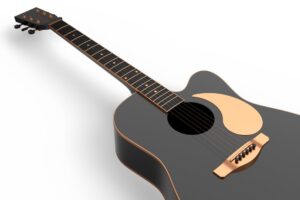
If you’re new to the bass, one of the first skills you need to learn is how to tune a bass guitar. As a group of music teachers who work with beginner students every day, we can tell you this: tuning your instrument correctly sets you up for success from the start. A well-tuned bass helps you hear pitches accurately, play along with others confidently, and build great habits as a musician.
Whether you’re preparing for your first private lesson or just picked up a bass from a music store, this guide will walk you through simple, reliable tuning techniques.
Why Tuning Matters for Bass Players
Before diving into how to tune, let’s talk about why it’s so important:
- Bad tuning = bad habits. If your strings are out of tune, you’ll start learning incorrect finger placement and pitch recognition.
- Group playing depends on tuning. Playing in a school band, garage group, or orchestra? Everyone needs to be in tune to sound good together.
- Tuning builds ear training. Over time, you’ll start recognizing when your bass sounds off—and learn how to fix it quickly.
3 Ways to Tune a Bass Guitar
The most common way to tune a 4-string bass is to standard tuning: E–A–D–G (from lowest to highest string). Here’s how to get there:
1. Use a Clip-On Tuner
This is the easiest and most beginner-friendly method. Just clip it to your bass’s headstock, pluck a string, and adjust the tuning peg until the display reads the correct note.
2. Use a Tuning App or Pedal
Apps like GuitarTuna are a great free option. Many students also invest in a tuning pedal if they plan to perform live.
3. Tune by Ear (Advanced)
Once you’ve gained experience, you can tune by comparing each string to a reference pitch or to other strings on your bass.
Tips for Tuning Success
To help our beginner students stay confident and consistent, we recommend:
- Tune before every practice session. Strings go out of tune due to temperature changes, new string stretch, or just regular playing.
- Turn pegs slowly. Small adjustments go a long way—turn gently to avoid over-tightening and breaking a string.
- Practice listening. Even when using a tuner, try to listen for what “in tune” sounds like.
For more beginner tips, check out our post on first lessons for guitar and bass students.
FAQ: Tuning a Bass Guitar
Q: How often should I tune my bass guitar?
We recommend tuning your bass every time you play, even if it’s just for a short practice session.
Q: What type of tuner should I get as a beginner?
A clip-on tuner is the most user-friendly option. It’s affordable, accurate, and doesn’t require any cables.
Q: What happens if I tune the wrong string to the wrong pitch?
This can lead to string damage or even breakage. Always double-check the note name before tightening the string.